 Cannabis sales in Massachusetts top $1B for third straight year
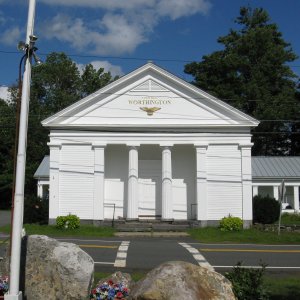 Town election in Worthington features contest for Select Board seat
 Voters at Hadley Town Meeting to decide big capital projects on Thursday
 Area briefs: Broad Brook Greenway parking; Northampton pickleball group to hold event; and more
 $100,000 theft: Granby Police seek help in ID’ing 3 who used dump truck to steal cash from ATM
 Authorities ID victim in Greenfield slaying
 Frontier Regional School students appeal to lower voting age
 Deerfield residents to decide personnel bylaw, tax bill at Monday’s annual Town Meeting
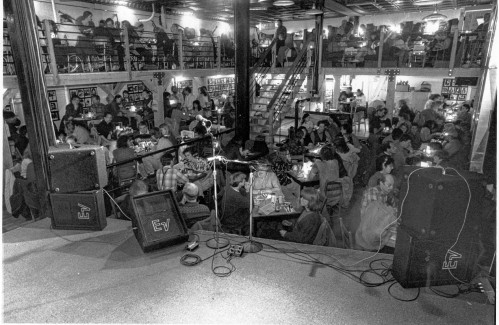
The Iron Horse rides again: The storied Northampton club will reopen at last, May 15
In late March, the fabled Iron Horse Music Hall, slated to reopen in mid May, was still a pretty raw construction site.Boards, pipes, boxes, and other materials were piled on the floors, along the walls, and on tables. Extension cords to power saws...

Reyes takes helm of UMass flagship amid pro-Palestinian protests
AMHERST — On a Friday morning filled with music, ceremony and speeches by state leaders to inaugurate Javier Reyes as the 31st leader of the University of Massachusetts Amherst, and the first Hispanic chancellor of the flagship campus, protesters...
Most Read
 Homeless camp in Northampton ordered to disperse
 The Iron Horse rides again: The storied Northampton club will reopen at last, May 15
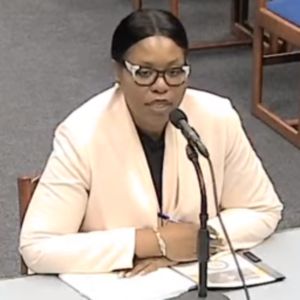 Final pick for Amherst regional superintendent, from Virgin Islands, aims to ‘lead with love’
 Authorities ID victim in Greenfield slaying
 Reyes takes helm of UMass flagship amid pro-Palestinian protests
 Police report details grisly crime scene in Greenfield
Editors Picks
 A Look Back, April 27
 Photos: The growing season begins
 The power of poetry: U.S. Poet Laureate Ada Limón to speak at Smith College
 The Beat Goes On: Album release shows by Barnstar! and Lisa Bastoni, a Young@Heart Chorus concert with new special guests, and more
Sports

Connor Pignatello: Seeing Messi in person again sparked childhood memories
FOXBOROUGH – When I was 8 years old, a Spanish friend of my dad gave me a present. It was a Lionel Messi FC Barcelona No. 10 jersey, with the club’s classic blue and red vertical stripes and the UNICEF sponsor across the front.That jersey was my most...
 UMass football: Spring Game closes one chapter for Minutemen, 2024 season fast approaching
 High schools: Furious fourth quarter rally falls just short for South Hadley boys lacrosse
  Softball: Hampshire rallies from early deficit, slugs past Easthampton 10-4 (PHOTOS)
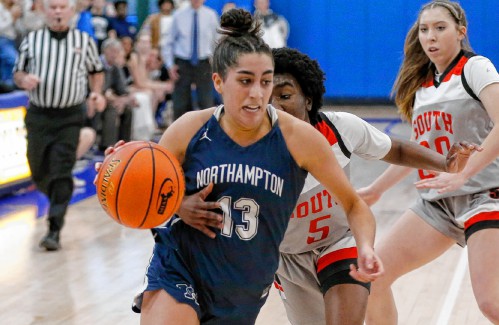 2024 Gazette Girls Basketball Player of the Year: Ava Azzaro, Northampton
Opinion

Charlene Galenski: Blake Gilmore, a strong candidate for Deerfield’s Selectboard
On May 6, Deerfield will have its annual election for local positions. Blake Gilmore is running as a candidate for Selectboard.Deerfield is facing some financially challenging times. Over the past few years, the town has voted to finance several...
 Annette Pfannebecker: Vote yes for Shores Ness and for Deerfield
 Columnist Susan Wozniak: Rising costs long ago swamped hippie ideal
 Guest columnist Rudy Perkins: Dangerous resolution pins ‘aggression’ on Iran
 David Kirk: Northampton schools spending beyond means

Business
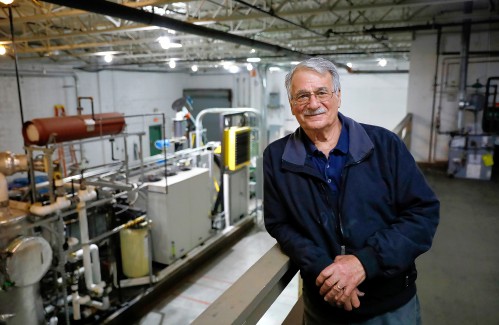
Locking up carbon for good: Easthampton inventor’s CO2 removal system turns biomass into biochar
HOLYOKE — Like many people, Michael Garjian believes global warming is a pressing issue of our times.Unlike most, he’s putting his ideas for reducing carbon dioxide in the atmosphere into practice — and at the same time bidding for a share of the $100...
 Advancing water treatment: UMass startup Elateq Inc. wins state grant to deploy new technology
 New Realtor Association CEO looks to work collaboratively to maximize housing options
 Area property deed transfers, April 25
 Primo Restaurant & Pizzeria in South Deerfield under new ownership
e-Edition
Arts & Life

Upon Nancy’s Floor: 33 Hawley event celebrates iconic dancers, history, and a new dance floor
Among the many features that are part of 33 Hawley, the Northampton Community Arts Trust building that was finally completed in early January following 10 years of construction, there’s probably nothing more important to dancers than the floor of the...
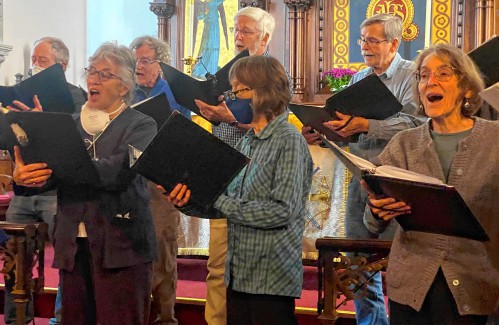 Embracing both new and old: Da Camera Singers celebrates 50 years in the best way they know how
 Time to celebrate kids and books: Mass Kids Lit Fest offers a wealth of programs in Valley during Children’s Book Week
 Arts Briefs: A themed exhibit in Northampton, new opportunities for artists in Easthampton, and more
 Speaking of Nature: ‘Those sound like chickens’: Wood frogs and spring peepers are back — and loud as ever
Obituaries
 Eli Knapp Abrams
Florence, MA - Eli Knapp Abrams, of Florence Massachusetts, passed away suddenly on Monday, April 22nd, 2024 in Goshen, MA. Eli was born in Beverly, MA on March 19th, 2003. He is the cherished son of Jennifer and Maury Abrams, and belov... remainder of obit for Eli Knapp Abrams
 Mary J. Majeau-Koziol
Mary J Majeau-Koziol Virginia Beach, VA - Mary 77, passed away peacefully on April 5, 2024. She was a wonderful person and will be deeply missed by her family and friends. To view her complete obituary and to offer condolences, please vi... remainder of obit for Mary J. Majeau-Koziol
 Stephen M. Smith
WILLIAMSBURG, MA - Stephen M. Smith, 82, of Petticoat Lane passed away peacefully on Wednesday, April 24, 2024 at Cooley Dickinson Hospital after a brief illness. Stephen was born in Northampton, a son of the late Arthur B. & Mary (Burk... remainder of obit for Stephen M. Smith
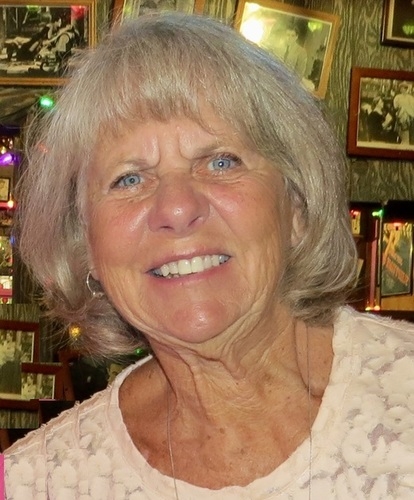 Patricia Taylor
Plymouth, MA - Pat, wife, mother, and grandmother, passed away on Saturday, April 20th after a long battle with cancer. Daughter of Valerian and Regina Latka, she leaves behind William, her husband of 54 years, her son Kevin and his par... remainder of obit for Patricia Taylor