Latest News
 Guest columnist Gene Stamell: We know what we know
 Change in federal drug classification could help cannabis shops
 No contests on ballot for Willisamsburg election
 Healey expects $16B return on climate tech investment
 Glitz, glamour and all that jazz: ‘Chicago’ takes stage at Easthampton High starting Thursday
 Contested races shaping up in Chesterfield
 Making news in business, May 2
 Area property deed transfers, May 2
 Student voting petition rejected in Deerfield

Granby Bow and Gun Club says stray bullets that hit homes in Belchertown did not come from its range
BELCHERTOWN — The president of the Granby Bow and Gun Club insists that stray bullets that hit several homes in the Turkey Hill area of town did not originate from the club’s long range. Club President Ryan Downing read a statement at the beginning of...

A Waterfront revival: Two years after buying closed tavern, Holyoke couple set to open new event venue
HOLYOKE — After almost two years of reconstruction and remodeling, the Waterfront, Holyoke’s new event venue, is ready for its public unveiling.Owners Carlos and Evelyn Colón and family will host a grand opening Saturday from 11 a.m. to 3 p.m. with...
Most Read
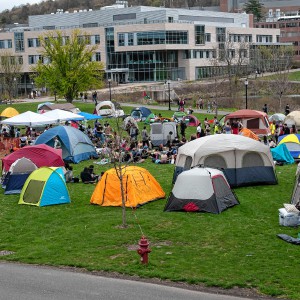 Pro-Palestinian protesters set up encampment at UMass flagship, joining growing national movement
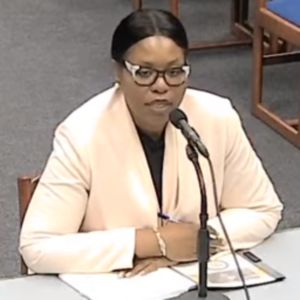 Island superintendent picked to lead Amherst-Pelham region schools
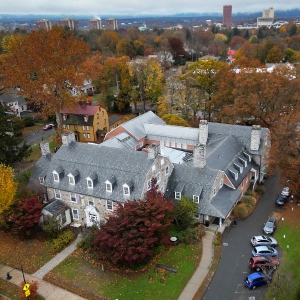 Sole over-budget bid could doom Jones Library expansion project
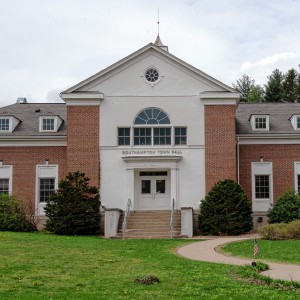 State fines Southampton’s ex-water chief for accepting lodging and meals at ski resort, golf outing from vendor
 Authorities ID victim in Greenfield slaying
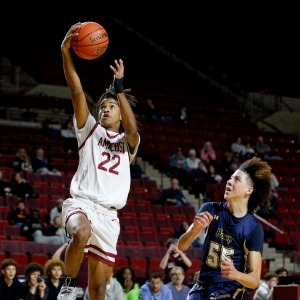 2024 Gazette Boys Basketball Player of the Year: Marcielo Aquino, Amherst
Editors Picks
 A Look Back, May 1
 Photos: Special connection
 The power of poetry: U.S. Poet Laureate Ada Limón to speak at Smith College
 The Beat Goes On: Album release shows by Barnstar! and Lisa Bastoni, a Young@Heart Chorus concert with new special guests, and more
Sports

2024 Gazette Boys Swimmer of the Year: Luke Giguere, Belchertown
BELCHERTOWN — He didn’t think it would ever happen outside of a regular season dual meet, but Luke Giguere had just done something swimmers only dream of.The Belchertown senior put forth a heroic 46.62-second anchor leg in the 400-yard freestyle relay...
 Girls lacrosse: Amherst stays undefeated, runs away from Granby for second win in as many days (PHOTOS)
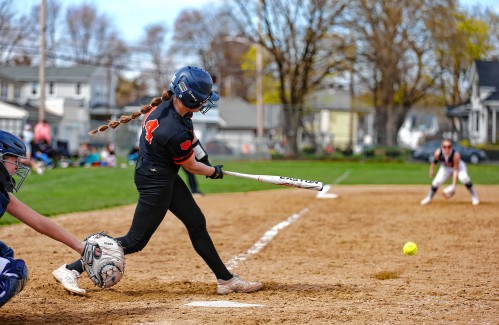 Softball: Ella Schaeffer’s walk-off hit lifts South Hadley to 1-0 extra-inning win over Easthampton
 2024 Gazette Girls Swimmer of the Year: Ursula von Goeler, Northampton
 MIAA power rankings: See where all the local teams are ranked
Opinion

Jennifer Dieringer: Budget must serve whole city
I am the parent of a Northampton High School student. I have been fortunate enough to have had the capacity and time to be engaged in the schools my son has attended, serving on the PTO since he was at Bridge Street Elementary School (pro tip: if you...
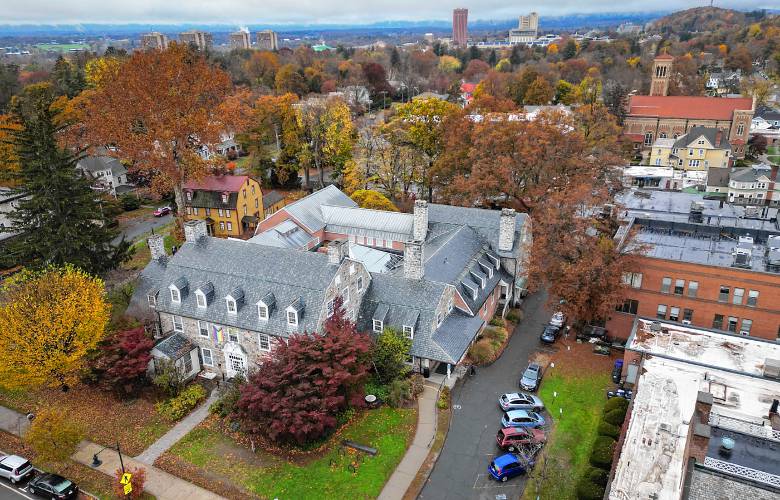 Ken Rosenthal: Time to change direction on Jones Library
 Sage Cooper-Clermont: A well-deserved thank you for chain of help
 Nancy E. Grove: Landlines are the best
 Joshua Singer: Friends of the trails could use a hand

Business

Music key to Northampton’s downtown revival: State’s top economic development leader tours city
NORTHAMPTON — When she was a student at Williams College, Yvonne Hao recalls traveling to Northampton with friends to eat at local restaurants, shop at thrift stores and attend concerts held by the local music scene, although she isn’t quite sure of...
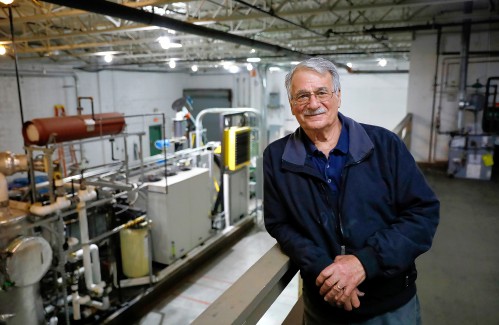 Locking up carbon for good: Easthampton inventor’s CO2 removal system turns biomass into biochar
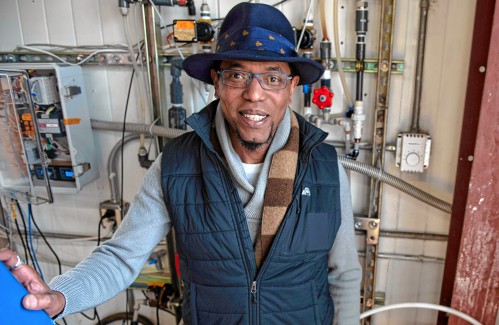 Advancing water treatment: UMass startup Elateq Inc. wins state grant to deploy new technology
 New Realtor Association CEO looks to work collaboratively to maximize housing options
 Area property deed transfers, April 25
e-Edition
Arts & Life

Speaking of Nature: Bird of my dreams, it’s you: Spotting a White-tailed Tropicbird on our cruise in Bermuda
It was the morning of April 16 and I was up early. It seems to be impossible for me to sleep late at this time of year because I am so excited about seeing the first birds of the season, but this particular morning was a little different. It was the...
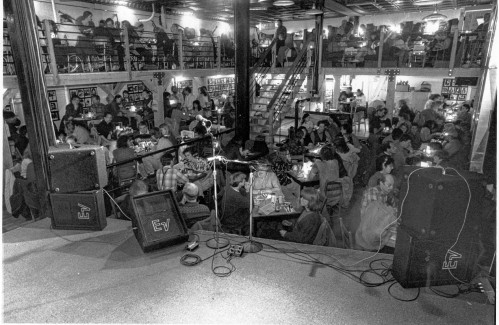 The Iron Horse rides again: The storied Northampton club will reopen at last, May 15
 Upon Nancy’s Floor: 33 Hawley event celebrates iconic dancers, history, and a new dance floor
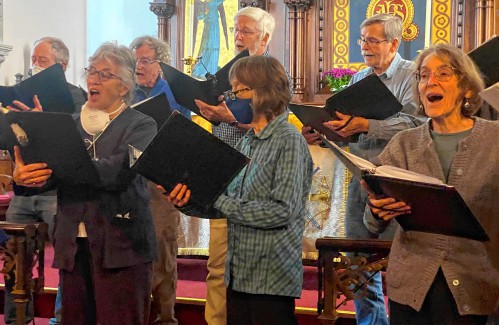 Embracing both new and old: Da Camera Singers celebrates 50 years in the best way they know how
 Time to celebrate kids and books: Mass Kids Lit Fest offers a wealth of programs in Valley during Children’s Book Week
Obituaries
 Eli Knapp Abrams
Florence, MA - Eli Knapp Abrams, of Florence Massachusetts, passed away suddenly on Monday, April 22nd, 2024 in Goshen, MA. Eli was born in Beverly, MA on March 19th, 2003. He is the cherished son of Jennifer and Maury Abrams, and belov... remainder of obit for Eli Knapp Abrams
 Ronald O'brien
Northampton, MA - Ronald Paul O'Brien, 76, passed away peacefully at Cooley Dickinson Hospital after a brief illness. Born in St. Stephens New Brunswick, Canada, the O'Briens immigrated to the United States where Ronald grew up and atte... remainder of obit for Ronald O'brien
 Jennifer M. Read
South Deerfield, MA - Jennifer Read of South Deerfield, beloved wife and mother, died peacefully on April 21, 2024 at the age of 79 after a long struggle with Alzheimer's disease. Jennifer was born on January 1, 1945 at Brooklyn Naval ... remainder of obit for Jennifer M. Read
Helen A. Torrey
Florence, MA - Helen A. (Fogg) Torrey, 77, of Florence, passed away peacefully on Friday, April 26, 2024, at Cooley Dickinson Hospital in Northampton. Helen was born July 20, 1946, in Northampton to John and Arabelle (Knox) Fogg. She wa... remainder of obit for Helen A. Torrey