Latest News
 Retired superintendent to lead Hampshire Regional Schools on interim basis while search for permanent boss continues
 School budget tops busy Town Meeting agenda in South Hadley
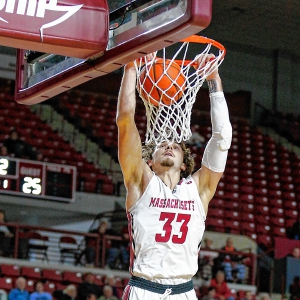 UMass basketball: Matt Cross announces he’s transferring to SMU for final year of eligibility
 Public to weigh in on amenities they’d like to see at War Memorial Pool site in Amherst
 Loan program aims to ease burden of home energy retrofits
 State legislative panel spurns ballot measures
 Holyoke Police Chief Pratt retiring: ‘It’s time to go’
 Valley writers shine in initial round of Mass Book Award competition: 12 area authors and author/illustrators long-listed for 2024 awards
 Hadley Town Meeting OKs battery storage bylaw, honor Chunglo for service

‘We can just be who we are’: Thousands show support for LGBTQ community at Hampshire Pride
NORTHAMPTON — While the focus was on celebrating and supporting the LGBTQ community on Saturday during Hampshire Pride, there were also calls for Palestinian liberation, disrupting the mayoral proclamation with chants calling for a cease-fire and...
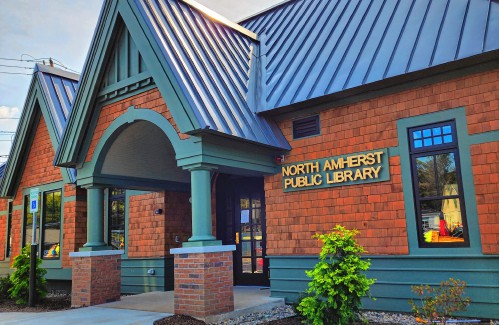
‘Home away from home’: North Amherst Library officially dedicated, as anonymous donor of $1.7M revealed
AMHERST — An avid reader throughout her life, who often brought her three children to the North Amherst Library as they were growing up, Hilda Greenbaum saw the need to improve the 1893 building to ensure it would continue to serve future generations,...
Most Read
Editors Picks
 A Look Back, May 6
 Easthampton author Emily Nagoski has done the research: It’s OK to love your body
 Earth Matters: Honoring a local hero: After 40 years, Hitchcock Center bids farewell to educator and creative leader, Colleen Kelley
 The Beat Goes On: A trombone celebration in Holyoke, Lord Russ shifts gears, and the Hampshire Young People’s Chorus turns 25
Sports

UMass lacrosse: Minutewomen edged by Richmond 14-13 in Atlantic 10 women’s title game
For the second year in a row, the Richmond women’s lacrosse team had UMass’ number in the Atlantic 10 championship game.Alexis Morton scored the game-winning goal for the Spiders with 3 minutes, 15 seconds remaining in the fourth quarter to lift No. 2...
 High schools: Ian McDonald, Belchertown baseball edge Amherst 3-1
 UMass lacrosse: Top-seeded Minutewomen hold off St. Joseph’s, punch A-10 title-game ticket
 Ultimate: Amherst Invitational returns to UMass this weekend
 Softball: Hopkins Academy making strides despite 8-3 loss to Franklin Tech (PHOTOS)
Opinion

My Turn: Gaza and lies
Say, “I don’t believe the numbers.” Insist “It’s complicated.”Say, “There is no alternative. Hamas has called for the destruction of the state of Israel and thus, Hamas must be destroyed.” Disregard the Israeli leaders who have called for the...
 Guest columnist Mariel E. Addis: Pride and prejudice
 Guest columnist Gene Stamell: We know what we know
 Jennifer Dieringer: Budget must serve whole city
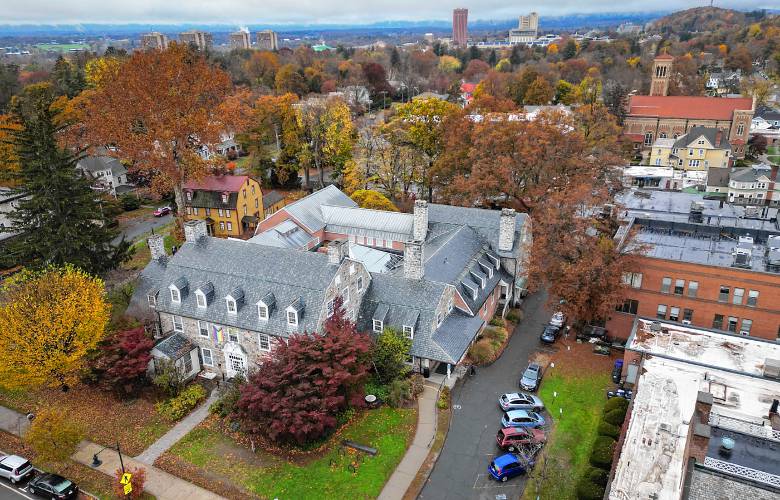 Ken Rosenthal: Time to change direction on Jones Library

Business

Area property deed transfers, May 2
AMHERST Faheem Ibrahim Lt and Faheem Ibrahim to Nan Zhao and Zhihong Ni, 16 Arbor Way, $738,000 Richard B. Spurgin to Yg Pleasant LLC, East Pleasant Street, Lot 1, $218,000 Richard B. Spurgin to Yg Pleasant LLC, East Pleasant Street, Lot 2,...
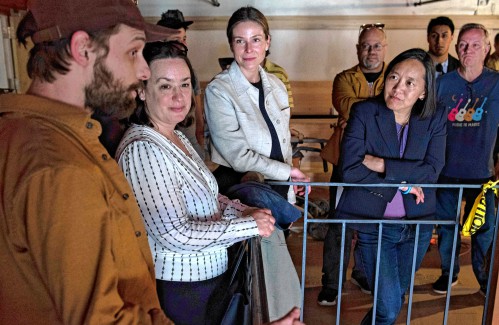 Music key to Northampton’s downtown revival: State’s top economic development leader tours city
 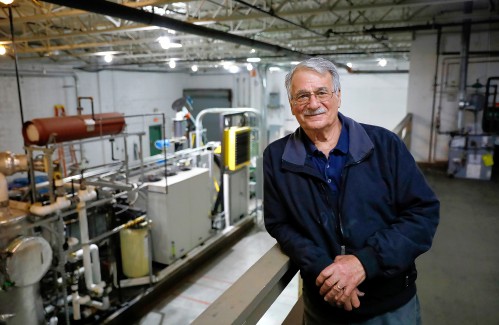 Locking up carbon for good: Easthampton inventor’s CO2 removal system turns biomass into biochar
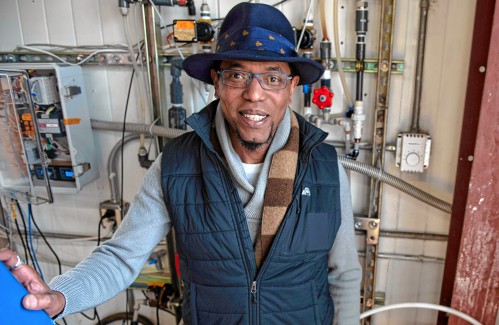 Advancing water treatment: UMass startup Elateq Inc. wins state grant to deploy new technology
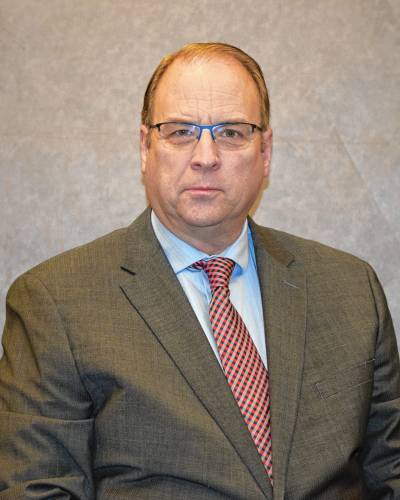 New Realtor Association CEO looks to work collaboratively to maximize housing options
e-Edition
Arts & Life

Valley Bounty: Delivering local food onto students’ plates: Marty’s Local connects farms to businesses
Nick Martinelli, CEO of Marty’s Local, began his career with a stint at the Farm School in Athol, hoping to learn how he might participate in the local agricultural economy. While conducting market research in 2015, he recognized there was a lot of...
 Let’s Talk Relationships: Breaking up is hard to do: These tools can help it feel easier
 The long shadow of the Mill River flood: Multiple events on tap in May to mark 150th anniversary of the 1874 disaster
  Fantasy favorite revisited: Amherst authors’ popular ‘Spiderwick Chronicles’ gets a new streaming adaptation
 Speaking of Nature: Bird of my dreams, it’s you: Spotting a White-tailed Tropicbird on our cruise in Bermuda
Obituaries
 Eli Knapp Abrams
Florence, MA - Eli Knapp Abrams, of Florence Massachusetts, passed away suddenly on Monday, April 22nd, 2024 in Goshen, MA. Eli was born in Beverly, MA on March 19th, 2003. He is the cherished son of Jennifer and Maury Abrams, and belov... remainder of obit for Eli Knapp Abrams
 Sandy A. Bell
Easthampton, MA - Sandra A. Bell, 77, of Easthampton passed away peacefully on May 2, 2024 at Cooley Dickinson Hospital after a brief illness surrounded by her family. Sandy was born October 28, 1946, in Fall River, MA to John and V... remainder of obit for Sandy A. Bell
 Edwin J. Nartowicz
Northampton, MA - Edwin J. Nartowicz, 100, of Northampton, passed away on Thursday, April 25, 2024, surrounded by his loving family at Cooley Dickinson Hospital. He was born in South Deerfield on November 7, 1923, to the late John and A... remainder of obit for Edwin J. Nartowicz
 Andrea Weisberg
South Hadley, MA - Andrea Weisberg passed away on April 28th, 2024 at 84 years old. She was surrounded by her loving familyincluding her children, grandchildren, and her dear friend of nearly 70 years, Gail. She was born on January 14,... remainder of obit for Andrea Weisberg