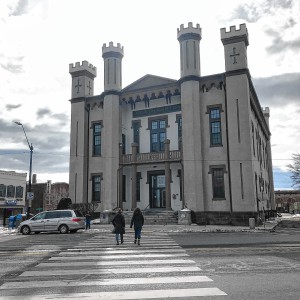
 Northampton City Briefing: Council adjust start time for its meetings; Farmer’s Market to begin 49th year on Saturday; CDH blood drive coming up
 New Realtor Association CEO looks to work collaboratively to maximize housing options
 Northampton man will go to trial on first-degree murder charge after plea agreement talks break down
 Area property deed transfers, April 25
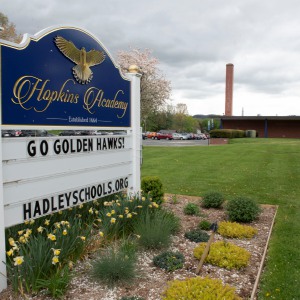 Report tallies pros of energy retrofit at Hopkins Academy
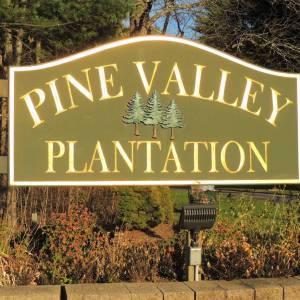 Belchertown mobile home village getting new water system
 Primo Restaurant & Pizzeria in South Deerfield under new ownership
 Guest columnist Rob Okun: Still No. 1 in male mass shootings 25 years after Columbine
 Contentious dispute ends as Hampshire Regional schools, union settle on contract
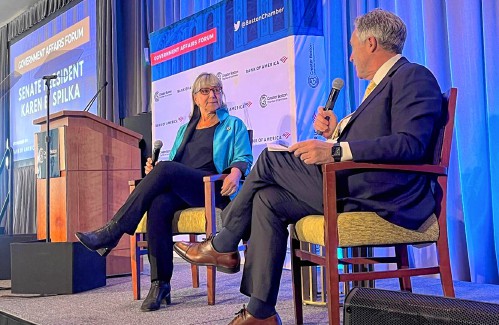
Spilka pledges ‘comprehensive climate bill’ in Senate
BOSTON — Signaling the potential for more change in the transportation and energy sectors, Senate President Karen Spilka revealed Monday that the Senate plans to tackle a major climate bill within the next three months.The Ashland Democrat said at a...
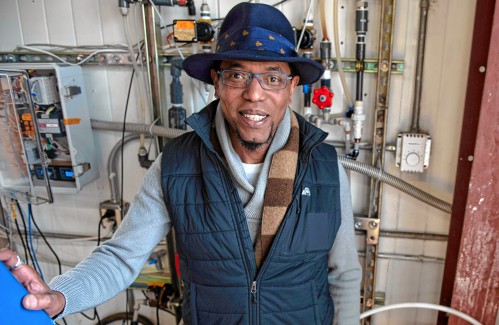
Advancing water treatment: UMass startup Elateq Inc. wins state grant to deploy new technology
AMHERST — In the four years since its founding on the UMass campus, startup Elateq Inc., a water treatment and hardware company, has landed contracts big (think PepsiCo) and small (think town of Amherst).Now the company, which uses advanced...
Most Read
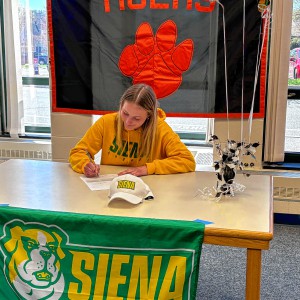 South Hadley’s Lauren Marjanski signs National Letter of Intent to play soccer at Siena College
 LightHouse Holyoke to buy Gateway City Arts, expand offerings and enrollment at alternative school
 Treehouse, Big Brothers Big Sisters turn race schedule snafu into positive
 South Hadley man fatally shot in attempted robbery
 Granby man admits guilt, gets 2½ years in vehicular homicide
 Area briefs: Transhealth to celebrate 3 year; Holyoke to plant tree at museum; Documentary film about reparations focus of Unitarian talk
Editors Picks
 A Look Back, April 24
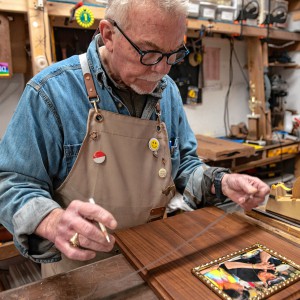 Photos: Plaque of remembrance
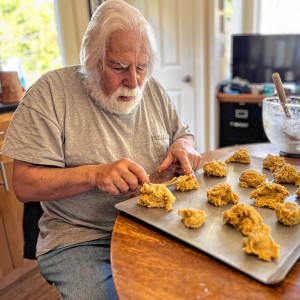 Best Bites: A familiar feast: The Passover Seder traditions and tastes my family holds dear
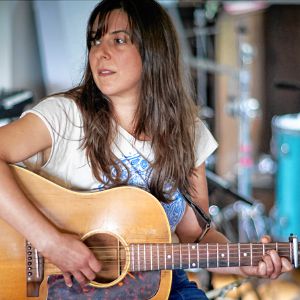 The Beat Goes On: Album release shows by Barnstar! and Lisa Bastoni, a Young@Heart Chorus concert with new special guests, and more
Sports
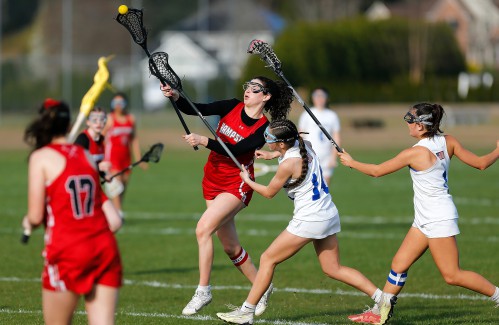
Girls lacrosse: Anna Puttick helps Hampshire take down Granby 13-9 (PHOTOS)
GRANBY – Anna Puttick won the draw, sprinted downfield, weaved between a few Granby defenders and then scored to give Hampshire Regional a 6-4 lead on the opening possession of the second half.Then, about 20 seconds later, the Raiders senior captain...
 Boys lacrosse: Jack Carpenter, Northampton hold off Belchertown for 7-6 win
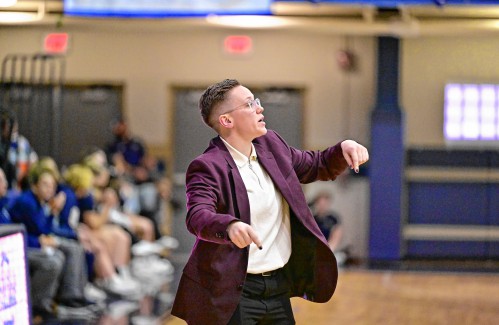 Mount Holyoke names Abby Wemhoff as new head basketball coach
 2024 Gazette Boys Indoor Track Athlete of the Year: Nicolas Lisle, Amherst
 Baseball: Northampton nearly comes all the way back before falling to Chicopee 15-14 (PHOTOS)
Opinion

Guest columnist Jena Schwartz: Things I have not said
I continue to be consumed by the Israel-Hamas war. I read, watch, write, pray, dream, agonize, and do my best to engage in intentional and nuanced conversations about it. And yet there remain things I have not said.Or things I have said by...
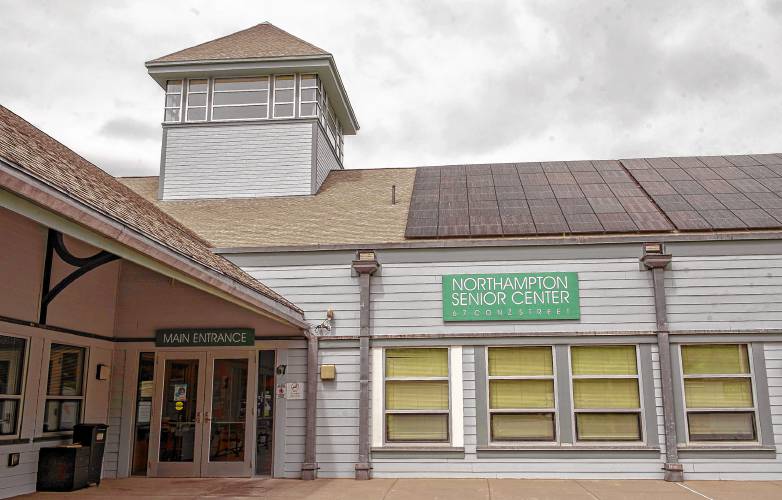 Wendy Parrish: Northampton Volunteer Fair
 Guest columnist Oriel Strong: Think impossible thoughts
 Guest columnist Barry Hirsch: Palestinians should turn to Israel for real path to peace
 Patricia Crosby: Meeting of Friends call for an immediate cease-fire in Gaza
Business
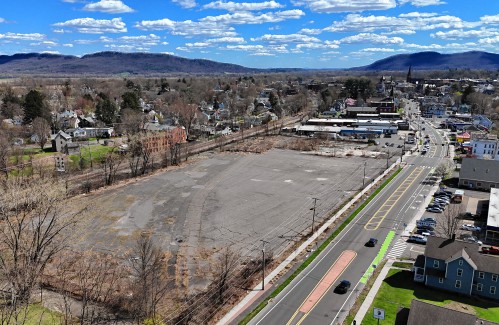
Petition to block auto dealership on King Street falters in Northampton
NORTHAMPTON — A joint meeting between the Northampton City Council’s Committee on Legislative Matters and the city’s Planning Board heard public comments on a petition to ban further automobile dealerships near the city’s downtown, an issue that...
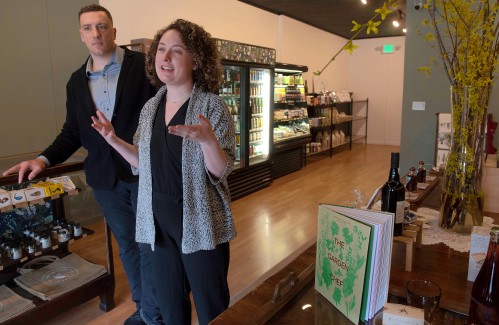 Flair and flavor: Couple draws on European, regional travel and food expertise to bring gourmet Aster + Pine Market to Amherst
 Prices up, sales down in early spring housing market
 Area property deed transfers, April 18
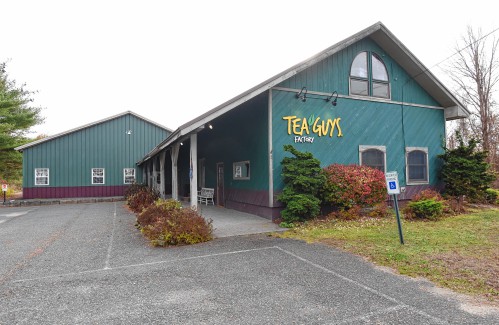 Tea Guys of Whately owes $2M for breach of contract, judge rules
e-Edition
Arts & Life

Speaking of Nature: ‘Those sound like chickens’: Wood frogs and spring peepers are back — and loud as ever
During a recent lecture on evolutioin I had to explain the differences between three different processes known as geographic, temporal and behavioral isolation. Geographic isolation is the easiest of these concepts to understand because it involves...
 Hitting the ceramic circuit: Asparagus Valley Pottery Trail turns 20 years old, April 27-28
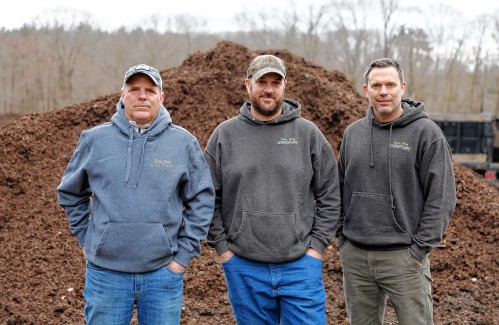 Valley Bounty: Your soil will thank you: As garden season gets underway, Whately farm provides ‘black gold’ to many
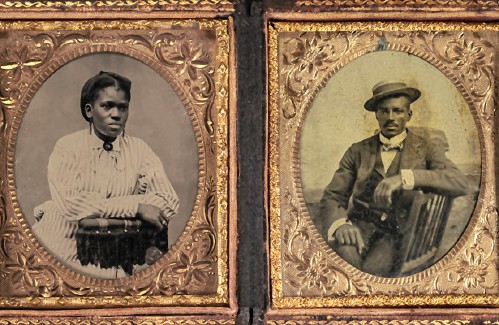 Painting a more complete picture: ‘Unnamed Figures’ highlights Black presence and absence in early American history
 Earth Matters: From Big Sits to Birdathons: Birding competitions far and near
Obituaries
 Eli Knapp Abrams
Florence, MA - Eli Knapp Abrams, of Florence Massachusetts, passed away suddenly on Monday, April 22nd, 2024 in Goshen, MA. Eli was born in Beverly, MA on March 19th, 2003. He is the cherished son of Jennifer and Maury Abrams, and belov... remainder of obit for Eli Knapp Abrams
 Charles W. Curtin
Northampton, MA - Charles W. Curtin, 96, passed away peacefully on April 19, 2024 at Cooley Dickinson Hospital in Northampton, MA. Born on November 1, 1927 to the late William and Gertrude (Duffey) Curtin. He was raised in Florence, MA.... remainder of obit for Charles W. Curtin
 Carol Butler Watelet
Greenfield, MA - Carol (Virginia) Soucie Butler Watelet, 85, passed away suddenly and peacefully on April 20, 2024, joining the love of her life, Mr. Wonderful, Robert Watelet who passed away 2 years earlier. Carol was born on March 17,... remainder of obit for Carol Butler Watelet
 Maryann Burke
Hatfield, MA - Maryann Burke (DeMatto), beloved wife, mother and Nonna, passed away on April 19, 2024, with her loving husband by her side. Maryann was born in Holyoke, MA on September 3, 1944, to the late Joseph and Emelia DeMatto. ... remainder of obit for Maryann Burke